
Contact Info
- +919582355558
- gauravgwc45@gmail.com
- 1699, Lower Ground Floor, Sector 52, Near Ardee City Gate Number 2 Roadm, Gurugram
Laparoscopic Surgeon
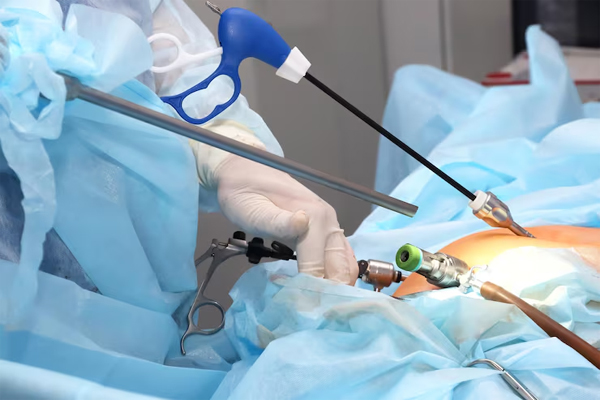
Laparoscopic surgery is a technique that allows surgeons to perform certain operations through small incisions rather than a large opening in the abdomen. It is commonly used for procedures involving the gallbladder, appendix, hernias, and selected abdominal or pelvic conditions. Whether this approach is suitable depends on the condition being treated, the patient's medical history, and the complexity of the operation.
The term describes a surgical method rather than a single treatment. Different operations require different instruments, techniques, and levels of preparation. Understanding how laparoscopy works can help patients make sense of discussions about diagnosis, surgical options, potential risks, and recovery.
How laparoscopic surgery works
During laparoscopy, a surgeon makes small incisions through which a camera and specialised instruments are inserted. The camera transmits images of the internal organs to a monitor, allowing the operating team to view the surgical area.
In many abdominal procedures, carbon dioxide gas is introduced to create space between the abdominal wall and internal organs. This space improves visibility and allows instruments to move during the operation. The gas is generally removed before the procedure ends.
The number and position of incisions vary according to the operation. Some procedures require only a few small openings, while others need additional access points. General anaesthesia is commonly used for abdominal laparoscopic surgery, although the anaesthetic plan depends on the procedure and the patient's circumstances.
Conditions that may be treated laparoscopically
Laparoscopy is used for several conditions, but it is not appropriate for every diagnosis. Common examples include:
-
Gallbladder disease: Removal of the gallbladder may be considered when gallstones cause symptoms or complications.
-
Appendicitis: Removal of the appendix can be performed laparoscopically in suitable cases.
-
Hernias: Certain abdominal wall hernias can be repaired using minimally invasive techniques.
-
Gynaecological conditions: Selected ovarian cysts, cases of endometriosis, and other pelvic conditions may be treated through laparoscopy.
-
Abdominal investigations: Diagnostic laparoscopy may help investigate selected problems when non-invasive tests have not provided sufficient information.
The procedure chosen depends on the diagnosis, the location of the problem, previous operations, and whether the condition can be managed safely using a minimally invasive approach.
Potential benefits and limitations
Smaller incisions may reduce wound size and can be associated with less postoperative pain, shorter hospital stays, and a quicker return to routine activities compared with some open operations. However, outcomes differ according to the procedure, individual health factors, and surgical circumstances.
Laparoscopy also has limitations. Operating through narrow access points can make some complex procedures difficult. Severe inflammation, extensive scarring, unusual anatomy, or uncontrolled bleeding may affect whether the operation can continue using this approach.
A minimally invasive procedure is not automatically safer or more effective in every situation. An open operation may be more appropriate when it provides better access or allows the surgical team to manage a complication effectively. In some cases, a laparoscopic operation must be converted to open surgery for safety.
Assessment before an operation
Before surgery, assessment generally includes a review of symptoms, previous medical conditions, earlier operations, allergies, and current medicines. Physical examination and investigations are selected according to the suspected condition.
Blood tests, ultrasound, computed tomography, or other imaging may be required. Not every patient needs every test. The purpose is to establish the diagnosis, understand the extent of disease, and identify factors that could influence anaesthesia or surgery.
Patients should disclose medicines such as anticoagulants, diabetes treatments, supplements, and any history of anaesthetic problems. Medicines should not be stopped or adjusted without instructions from the treating team.
Fasting requirements, medication instructions, transport arrangements, and expected postoperative support should be clarified before the procedure. When discussing surgical options with a Laparoscopic Surgeon in Gurgaon Sector 52, patients can ask which approach is appropriate for their diagnosis, what alternatives exist, and what recovery may involve.
Risks and possible complications
Although laparoscopic surgery is widely used, it carries risks. These may include bleeding, infection, injury to nearby organs or blood vessels, blood clots, and complications related to anaesthesia. Carbon dioxide used during some procedures may contribute to temporary abdominal discomfort or shoulder-tip pain.
The likelihood of complications varies with the operation, the patient's health, and the complexity of the condition. Some complications become apparent during surgery, while others develop afterwards. Patients should receive procedure-specific information rather than relying on general estimates for all laparoscopic operations.
Recovery after laparoscopy
Recovery depends on the operation performed. Some patients return home the same day, while others require hospital observation. Mild discomfort around the incisions, tiredness, bloating, or temporary changes in bowel habits may occur.
Following discharge instructions, keeping wounds clean and dry as advised, taking prescribed medicines correctly, and gradually increasing movement can support recovery. Heavy lifting, driving, and strenuous exercise should be resumed according to the surgical team's guidance.
Increasing abdominal pain, persistent vomiting, fever, spreading redness or swelling around a wound, heavy bleeding, or difficulty breathing requires prompt medical assessment. Chest pain, sudden breathlessness, or collapse warrants emergency care.
Frequently asked questions
1. Is laparoscopic surgery suitable for everyone?
No. Suitability depends on the diagnosis, previous surgery, general health, and the complexity of the operation. Open surgery may be more appropriate in some circumstances.
2. Does laparoscopy always result in a faster recovery?
No. Recovery may be quicker after some procedures, but it varies according to the operation, complications, and individual health factors.
3. Can laparoscopic surgery become open surgery?
Yes. Conversion may be necessary if visibility is inadequate, bleeding occurs, or the surgeon determines that open access is safer.
- Laparoscopic Surgeon in Gurgaon Sector 52
- Laparoscopic Surgeon in Gurgaon Sector 51
- Laparoscopic Surgeon in Gurgaon Sector 53
- Laparoscopic Surgeon in Gurgaon Sector 54
- Laparoscopic Surgeon in Gurgaon Sector 55
- Laparoscopic Surgeon in Gurgaon Sector 56
- Laparoscopic Surgeon in Gurgaon Sector 57
- Laparoscopic Surgeon in Gurgaon Sector 42
- Laparoscopic Surgeon in Ardee City
- Laparoscopic Surgeon in Sushant Lok
- Laparoscopic Surgeon in South City
- Laparoscopic Surgeon in DLF Phase 5
| Tags: |