
Contact Info
- +919582355558
- gauravgwc45@gmail.com
- 1699, Lower Ground Floor, Sector 52, Near Ardee City Gate Number 2 Roadm, Gurugram
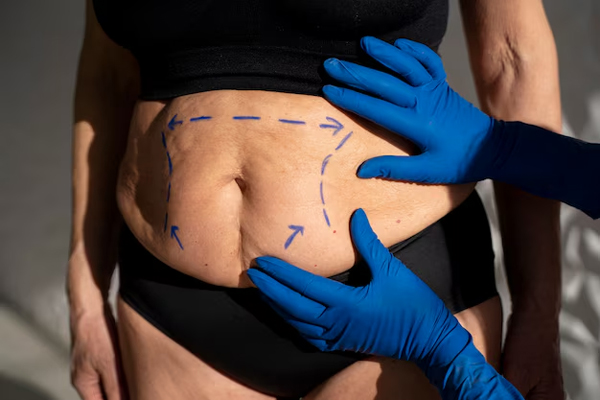
Weight Loss Surgery
Weight loss surgery is a medical treatment option for certain people living with obesity when excess body weight affects health and non-surgical approaches have not achieved sufficient or lasting improvement. Also known as bariatric or metabolic surgery, it changes the digestive system to support weight reduction and may improve some conditions associated with obesity.
Obesity is not simply a matter of appearance or willpower. It is a complex health condition influenced by genetics, hormones, sleep, medications, eating patterns, physical activity, and environmental factors. For some individuals, these influences make long-term weight management difficult despite sustained efforts. Understanding the role, limitations, and risks of surgery helps place it within the broader management of obesity.
When Excess Weight Becomes a Health Concern
Excess body fat can affect several body systems. It is associated with an increased likelihood of type 2 diabetes, high blood pressure, sleep apnoea, fatty liver disease, joint problems, and cardiovascular conditions. However, risk varies between individuals, and body weight alone does not describe a person's complete health status.
Body mass index (BMI), calculated using height and weight, is commonly used as an initial screening measure. It does not directly measure body fat distribution or distinguish muscle from fat, so clinicians consider it alongside medical history, waist measurements where appropriate, existing conditions, and other health indicators.
Weight management may involve nutrition changes, physical activity, behavioural support, treatment of contributing conditions, and medication when appropriate. Surgery is one possible option for selected patients, not a universal solution for everyone who wants to lose weight.
How Bariatric Surgery Affects the Body
Different bariatric procedures support weight reduction through different mechanisms. Some reduce the amount of food the stomach can hold, while others alter the digestive pathway and influence signals involved in hunger, fullness, and metabolism. The effects vary according to the procedure and the individual.
Three commonly used approaches are sleeve gastrectomy, gastric bypass, and adjustable gastric banding, although the availability and suitability of particular procedures vary.
-
Sleeve gastrectomy: A substantial portion of the stomach is removed, leaving a smaller, sleeve-shaped stomach. This limits meal capacity and affects appetite-related hormones.
-
Gastric bypass: A small stomach pouch is created and connected to a lower section of the small intestine. This changes food intake and the route through which food travels.
-
Adjustable gastric banding: An adjustable band is placed around the upper stomach to create a smaller pouch. Its use has become less common in many settings because other procedures may offer different long-term benefits.
These operations are not interchangeable. Their effects on digestion, nutrient absorption, potential complications, and long-term follow-up differ. The choice requires an individual medical assessment rather than a decision based only on the amount of weight a person hopes to lose.
Who May Be Considered for Surgery?
Eligibility depends on several factors, including BMI, obesity-related medical conditions, previous weight-management efforts, and the person's overall health. Clinical guidelines and eligibility criteria may vary by country and medical organisation. A BMI threshold alone should not replace a comprehensive assessment.
A medical team may review diabetes, blood pressure, heart and lung health, sleep apnoea, liver function, current medicines, and previous abdominal procedures. Nutritional status and psychological readiness may also be considered. These assessments help identify factors that could affect surgical safety, recovery, or long-term outcomes.
For people researching Weight Loss Surgery in Gurgaon Sector 42, it is important to understand that the location in a search phrase does not determine eligibility or establish that surgery is necessary. Suitability depends on the person's health profile, the potential benefits, and the risks identified during professional assessment.
Surgery may not be appropriate in every situation. Certain uncontrolled medical conditions, untreated substance-use problems, or difficulties that could prevent safe long-term follow-up may require attention before a procedure is considered. Decisions should be made through an informed discussion of available options.
Preparing for the Procedure
Preparation usually involves more than arranging the operation itself. Preoperative evaluation may include blood tests, assessment of existing health conditions, nutritional review, and checks for problems that could increase surgical risk. Some patients may need additional investigations based on their medical history.
Nutritional counselling helps explain changes in meal size, food choices, hydration, and supplementation after surgery. Depending on the procedure, patients may need vitamin and mineral supplements over the long term to prevent deficiencies. Smoking cessation, medication adjustments, and treatment of other health problems may also be recommended.
Understanding the expected recovery, possible complications, and need for ongoing monitoring is an important part of informed consent. Patients should have an opportunity to ask questions and consider whether they can follow the dietary and follow-up requirements associated with the chosen procedure.
Recovery and Long-Term Health Management
Hospital stay and recovery time depend on the procedure, surgical approach, and the person's overall condition. After surgery, food is usually reintroduced in stages, beginning with liquids and progressing according to the clinical team's instructions. Eating too quickly or consuming portions that exceed the stomach's reduced capacity may cause discomfort, nausea, or vomiting.
Hydration, protein intake, and appropriate supplementation are important during recovery. Regular physical activity can be introduced gradually as healing progresses. The recommended pace depends on the operation and any complications that arise.
Weight reduction does not end the need for healthcare. Follow-up appointments help monitor nutritional status, weight changes, medication requirements, and obesity-related conditions. Some people experience improvement in diabetes or blood pressure, but outcomes vary, and existing conditions may not disappear completely.
Possible Risks and Limitations
Bariatric surgery carries risks associated with any major operation, including bleeding, infection, blood clots, and reactions to anaesthesia. Procedure-specific complications can include leaks, narrowing, ulcers, reflux, or problems related to nutrient absorption. Longer-term concerns may include vitamin deficiencies, gallstones, weight regain, or the need for further treatment.
The degree of weight reduction varies, and surgery does not remove every factor contributing to obesity. Eating patterns, physical activity, sleep, mental well-being, and regular medical care continue to influence long-term health. Recognising both the potential benefits and the limitations supports realistic expectations.
Frequently Asked Questions
1. Is bariatric surgery suitable for everyone with obesity?
No. Suitability depends on clinical eligibility, existing medical conditions, previous treatment efforts, and an assessment of the benefits and risks. A comprehensive evaluation is needed before making a decision.
2. Will weight loss surgery permanently prevent weight gain?
No procedure guarantees permanent weight reduction. Weight regain can occur, and long-term outcomes depend on several factors, including changes in eating patterns, physical activity, biological responses, and continued follow-up.
3. Are nutritional supplements needed after surgery?
Many patients require vitamin or mineral supplementation after bariatric surgery, particularly after procedures that affect nutrient absorption. The type and duration depend on the operation, laboratory findings, and individual nutritional needs.
- Weight Loss Surgery in Gurgaon Sector 52
- Weight Loss Surgery in Gurgaon Sector 51
- Weight Loss Surgery in Gurgaon Sector 53
- Weight Loss Surgery in Gurgaon Sector 54
- Weight Loss Surgery in Gurgaon Sector 55
- Weight Loss Surgery in Gurgaon Sector 56
- Weight Loss Surgery in Gurgaon Sector 57
- Weight Loss Surgery in Gurgaon Sector 42
- Weight Loss Surgery in Ardee City
- Weight Loss Surgery in Sushant Lok
- Weight Loss Surgery in South City
- Weight Loss Surgery in DLF Phase 5
| Tags: |